Rizza Saddi
Since we entered the latter half of the year, anomalies within the government infrastructure projects have surfaced and caught the ire of the masses as they are slowly unearthed. This public unrest produced rallies left and right from all over the country. But just how do we keep up?
In times when it's hard to stay updated, Vigil Times is here to give you a wrap-up of the major rallies that have happened so far.
August 26
The hearing about the flood control projects or the ghost projects in the Philippines was unveiled by the Blue-Ribbon Committee, spearheaded by the committee chairman Senator Rodante Marcoleta, where they exposed alleged projects, pocketed taxpayers’ money, and the people who are involved in the issue.
“It is very disappointing that there are people whom we have entrusted as a public servant and then they would pocket the money and benefit from it while ordinary citizens suffer from problems like flooding,” Sir David D’Angelo, an environmental activist under the Bunyog Pagkakaisa Partylist, stated.
September 11
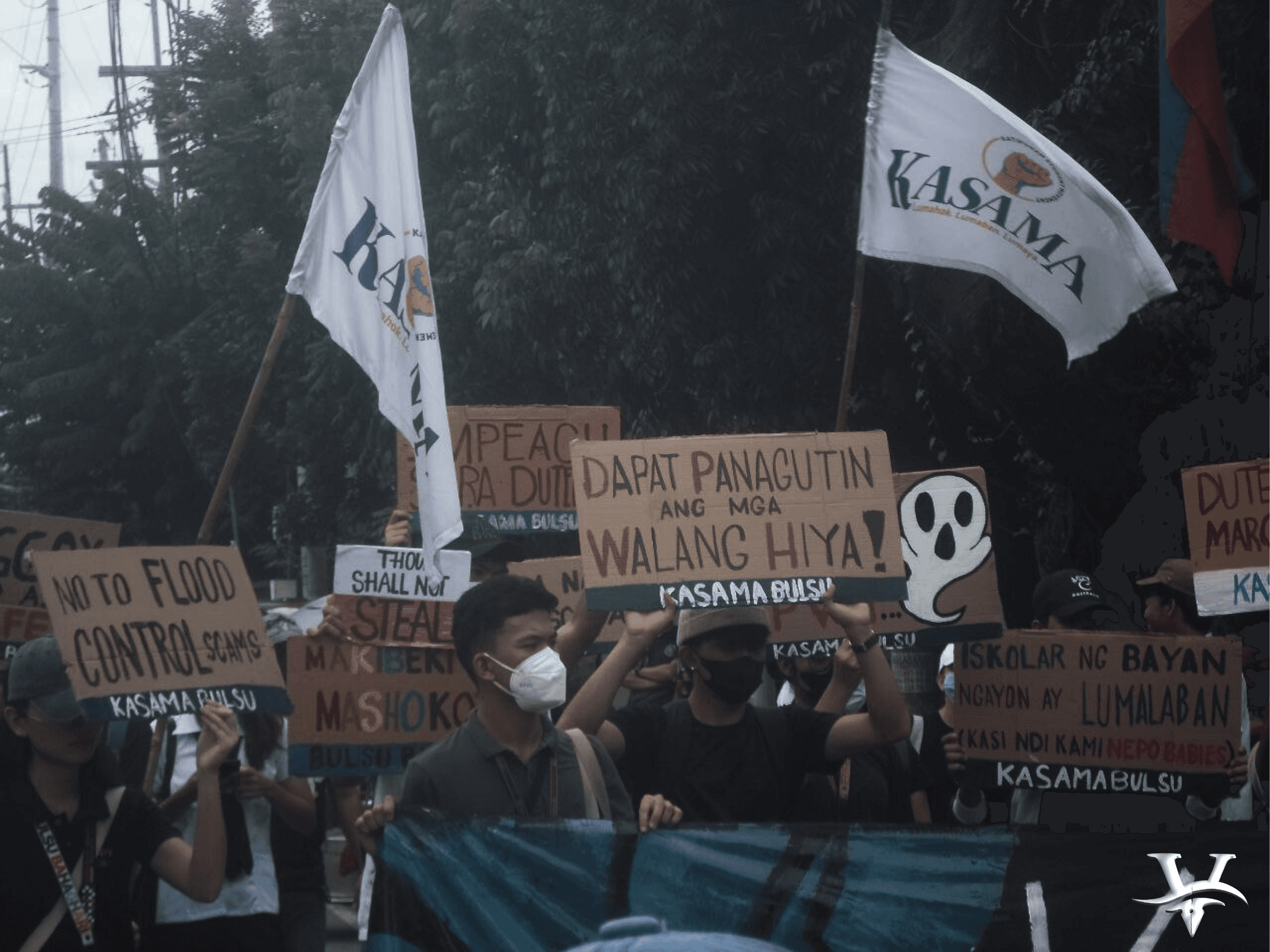
The KASAMA BulSU, a political student partylist from Bulacan State University, and David D’Angelo staged a rally in front of the Department of Public Works and Highways, Bulacan 1st District office, in line with the flood control issues. The officials of the DPWH didn't release a statement regarding the allegations, and they continue to be quiet as of writing.
September 19
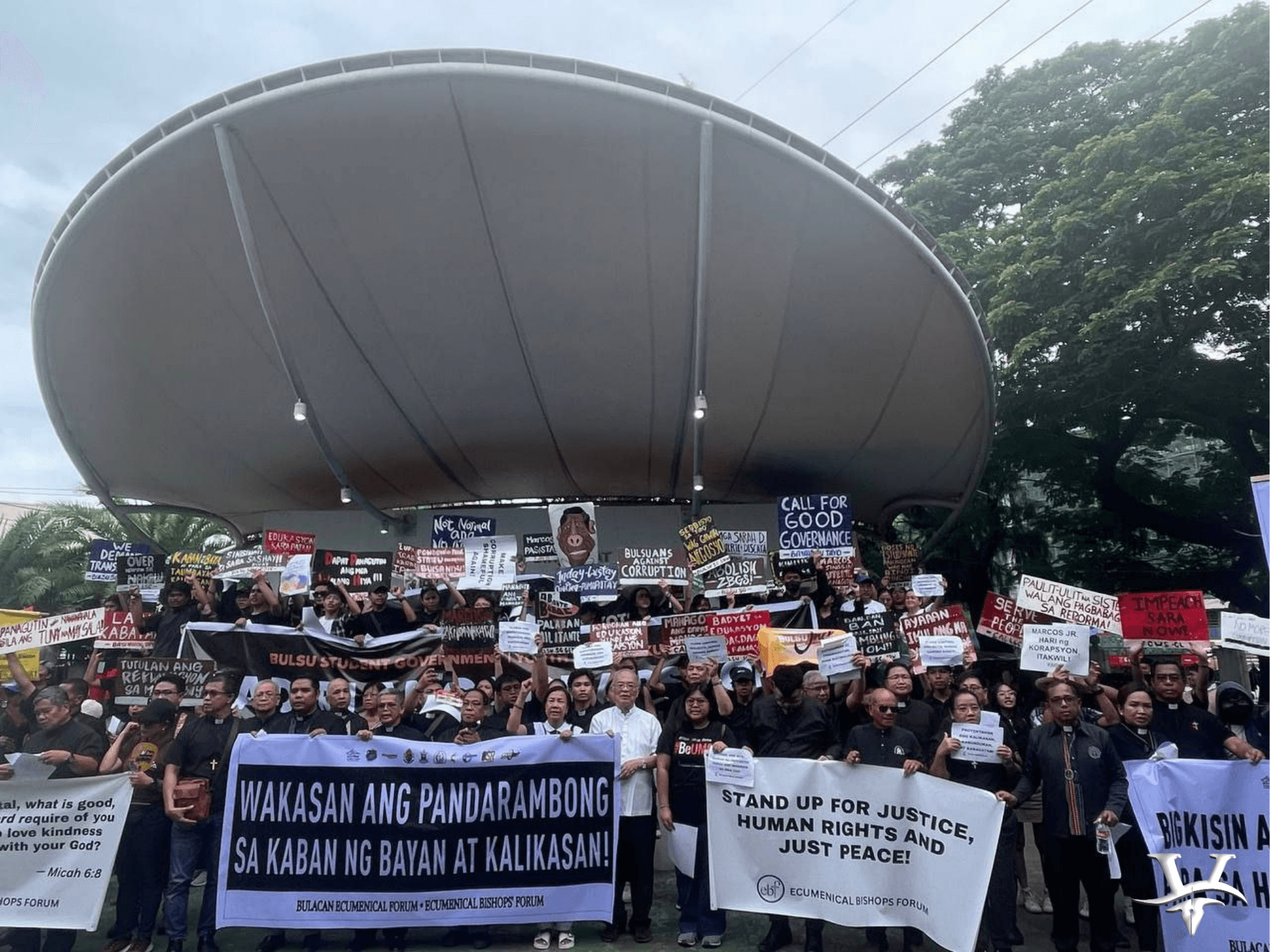
Roman Catholics of the Diocese of Malolos, together with Danilo Ramos, the BULSU Student Government, different organizations, and religious leaders, despite unstable weather, protest against government corruption and the issue of ‘ghost projects’ in Bulacan.
As they held a forum to commemorate the Season of Creation 2025 in Barasoain Church, they walked through the road of Malolos crossing to meet with the students of Bulacan State University that are waiting in front of the Malolos Capitol, and they ended the program by lighting candles and having a prayer.
September 20
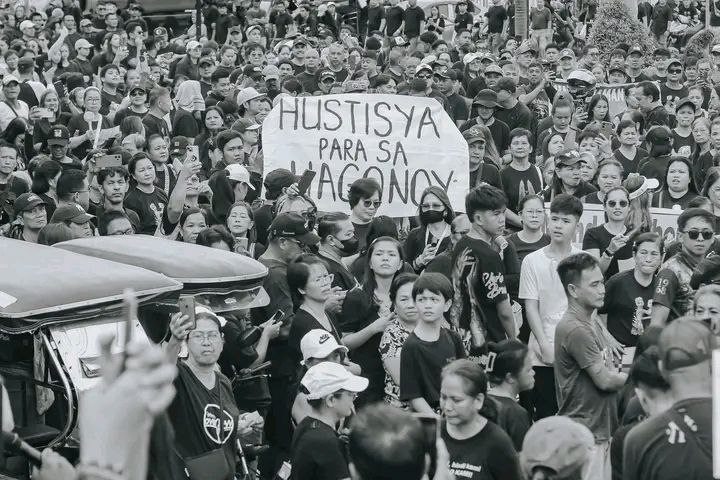
Photo Courtesy: GMA News/ YouScooper Jeremias Esguerra
Residents of Hagonoy, Bulacan, voiced their sufferings as they rallied amidst the high tide to condemn the allegations against the government officials' project. Dubbed as ‘Tindig, Hagonoy’, they demand solutions for the town's worsening problem with the flood and high tides.
September 21
The grandest series of staged protests happened on this day, where dissatisfied Filipinos flooded city squares from all over the country—and even beyond.
Metro Manila
Thousands of Filipinos gathered at Rizal Park for the ‘Baha sa Luneta,’ a major rally against corruption. That day is also the 53rd anniversary of martial law during the Marcos Sr. regime.
The Trillion Peso March, one of the powerful nationwide rallies that calls for accountability and a call for the corrupt politicians to surrender, also happened that day. It was a church-led protest, and they played a major role in the 1986 People Power Revolution.
The protesters demand transparency from the corrupt politicians and release their Statement of Assets, Liabilities, and Net Worth (SALN). Wide-ranging professionals, students, church groups, celebrities, and retirees congregated at the ‘ghost projects’.
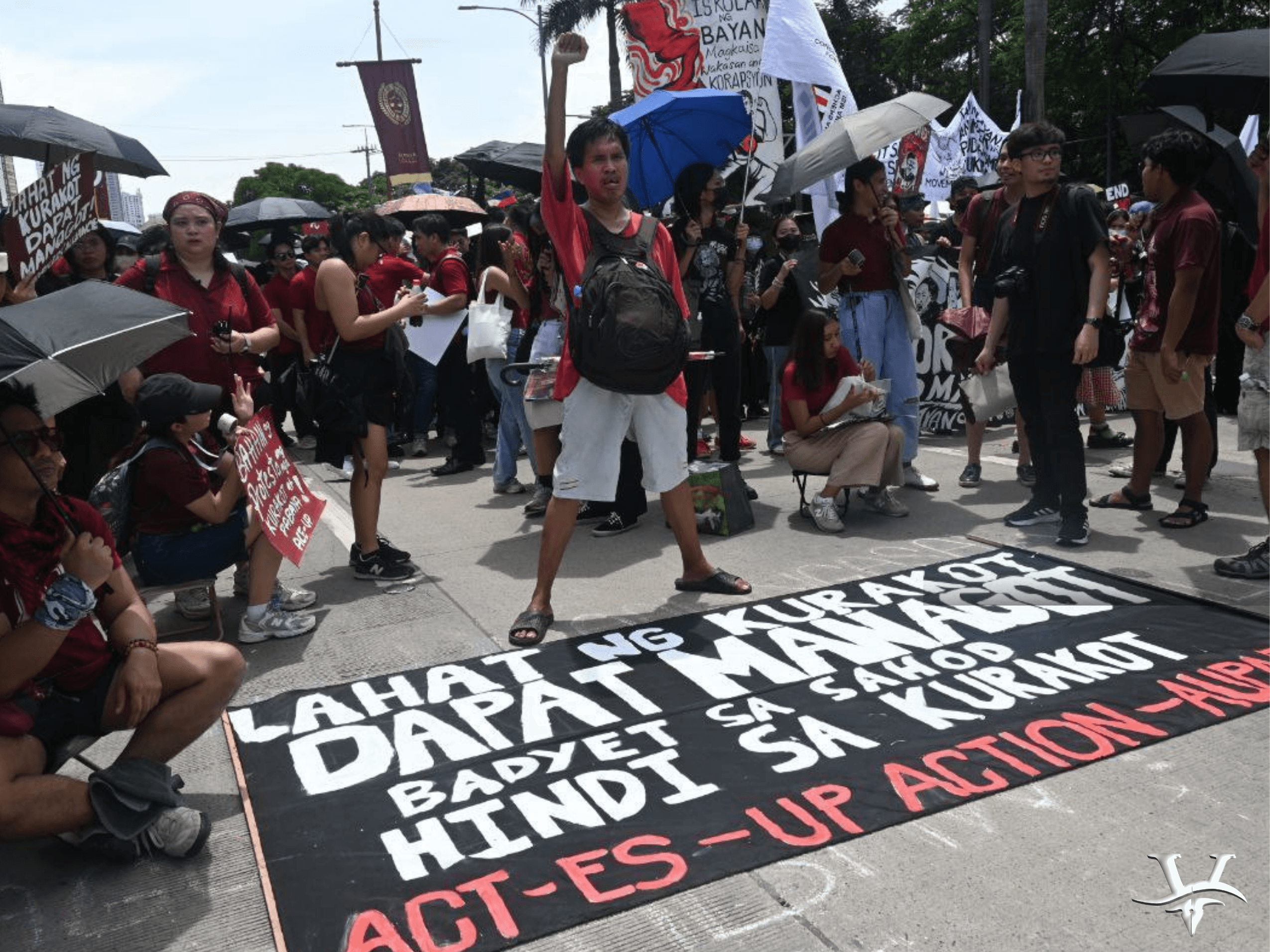
As D’Angelo says, “It raised [raises] public awareness and sends a message to those in government, especially the corrupt ones that the public will not take this sitting down and if nothing would change the people will definitely take action to hold them accountable for their actions and misconduct.”
Australia
Filipino migrants in Sydney, Australia, join the ‘Baha sa Luneta’ anti-corruption protest in front of the Sydney Town Hall, echoing the cries of the Filipinos beyond the nation’s soil. The Filipino groups Bayan Australia, Migrante, and AnakBayan led the rally and were joined by international human rights organizations.
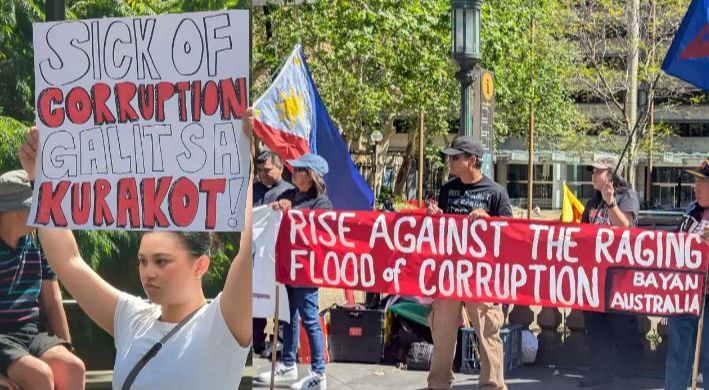
Photo Courtesy: Edinel Magtibay
Cebu City
Cebuanos marched through Plaza Independencia in Cebu to denounce corruption and the alleged anomalies in the government projects.
They called for PBBM's resignation, as they expressed anger over the corrupt officials' flood control projects.
In the rally, there were no political figures allowed to speak at both rallies in Plaza Independencia and at the Fuente Osmeña. The rally at Fuente Osmeña Circle was called the ‘Trillion Peso March’.
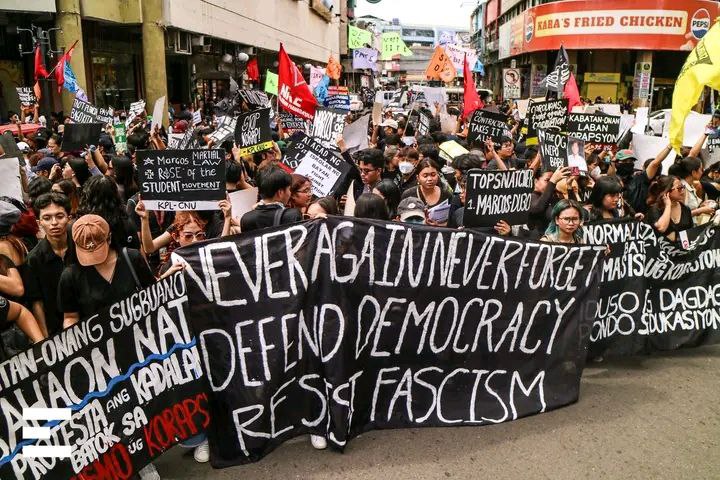
Photo Courtesy: Daiven Monforte | Explained PH
It's been a month since the first wave of the outrage—yet the fire that has been set has been fueled up, the people's fight, bravery, against corruption has not dimmed.
Despite the fight, thousands of voices, demands for transparency and accountability, no officials, and no one being imprisoned, not a single person involved has been held accountable for the billions allegedly lost from corruption. The protesters remain determined; no justice has been served. It is not a sign to stop but a reason to walk, fight, and march even louder and harder.
Last September 21, anti-corruption protesters, Fr. Wilmer Tria, announced that they're planning for another peaceful rally that is set on November 30, 2025, Bonifacio Day— he said that they would become louder: for the people, for the children, and for our country’s future.