Dexter Timbol
Once brushed upon old paper by the hands of Kapampangan ancestors, Kulitan drifted into the folds of memory. This November, as we remember our loved ones in heaven, we should always be reminded to revive and remember this old heritage given to us. Yet today, through the touch of technology, the script awakens, its lines reborn in the language of light.
Many advocates, including historian Roby Tantingco, are bringing back the old Kapampangan way of writing. In the busy streets of Angeles City, young people gather for free lessons and small workshops, learning how to write Kulitan, each stroke a piece of their roots.
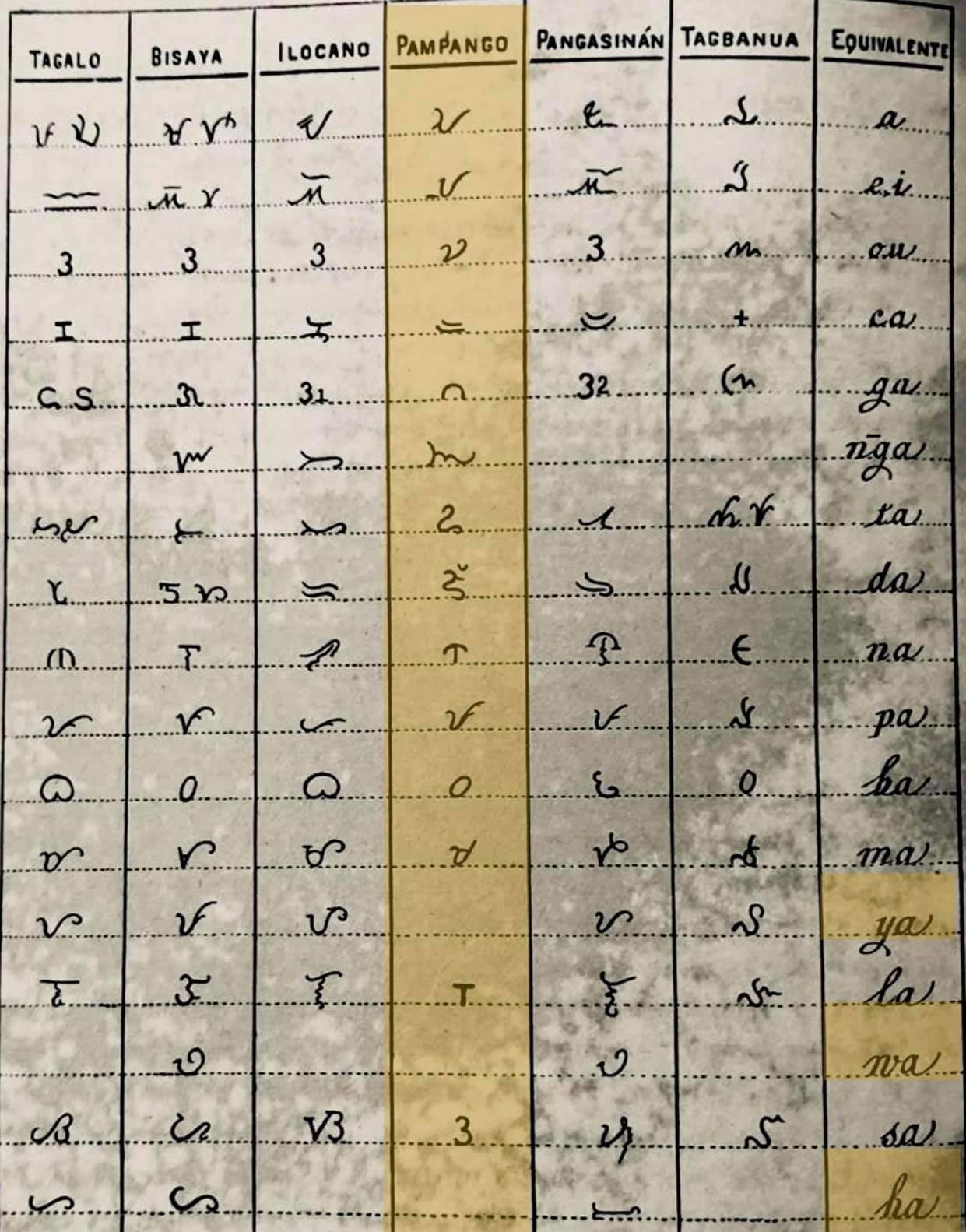
Photo Courtesy: Roby Tantingco (Facebook)
Long before the Spaniards set foot in Pampanga, Kapampangans were already a people of letters. Their hands moved gracefully on paper, writing in their own script called Kulitan.
As historian Roby Tantingco wrote, “When the Spaniards first came to Pampanga in 1571, they found every Kapampangan man, woman, and child able to read and write in their own orthography called Kulitan, just as they found Tagalogs using Baybayin.”
But with colonization came silence. The Spanish friars replaced Kulitan with Roman letters, slowly unlearning what was once part of every Kapampangan’s soul. Still, the strokes of Kulitan never fully disappeared.
“Fortunately, some of our ancestors persisted in using Kulitan,” Tantingco said.
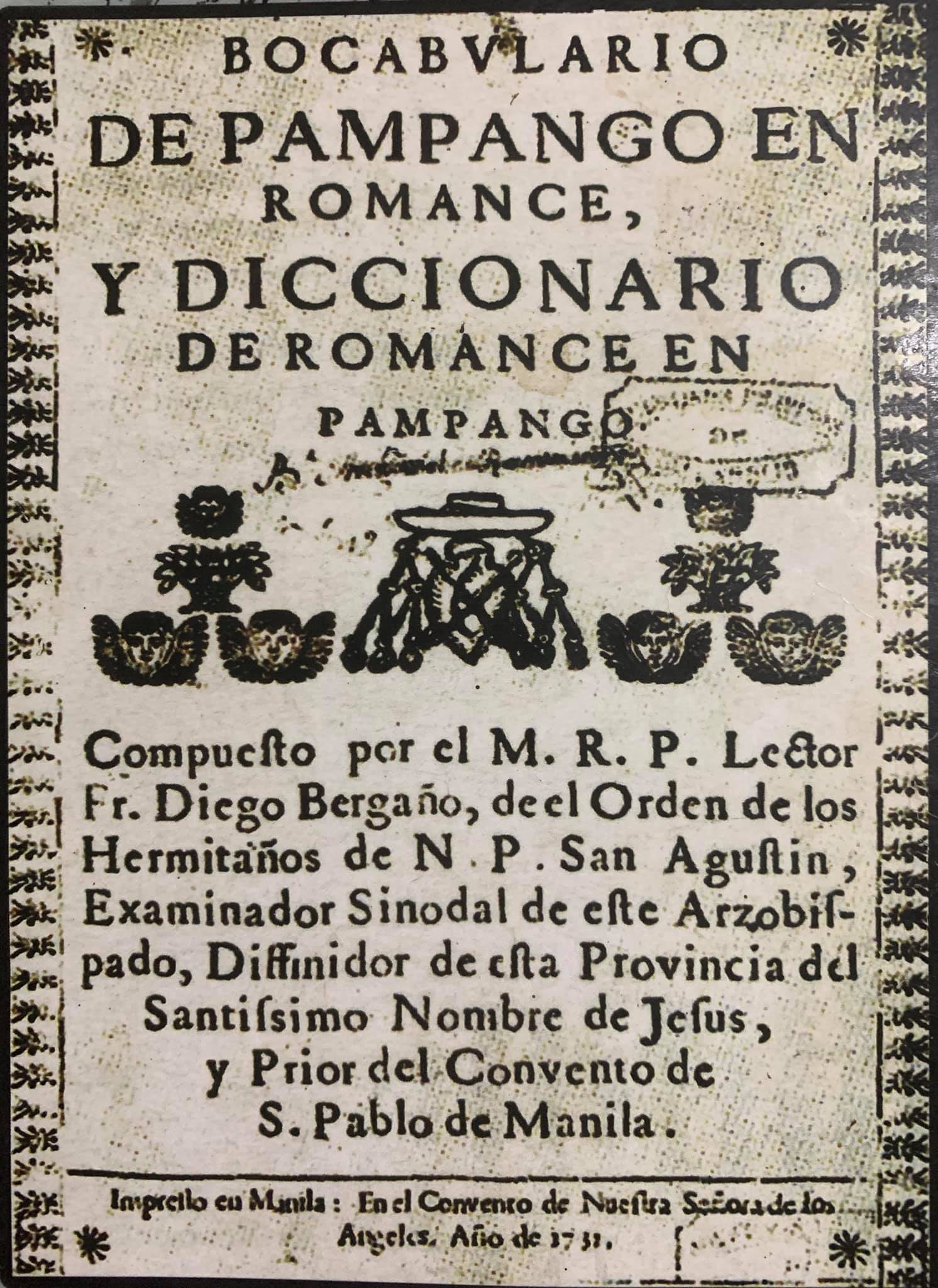
Photo Courtesy: Roby Tantingco (Facebook)
Kulitan, though simple with its few characters, was never lacking. As Benavente wrote and Tantingco said, “This should not be looked at as a defect, but rather as a creative contribution… because, without adding anything to them, one can write and read them perfectly well.”
And now, centuries later, the old script breathes again.
“The original Kapampangan writing system is neither c/q nor k. It’s the Kulitan!” Tantingco emphasized.
Through workshops, classrooms, and digital spaces, the script once forgotten now glows once more, connecting generations through every curve and stroke, proof that no language truly dies when its people choose to remember. The Miya Abe-Abe Organization of the University of the Philippines also keeps the flame of Kulitan alive. Through workshops and small gatherings, they teach the beauty of the Kapampangan script, each session not just a lesson in writing but a way of remembering who they are.
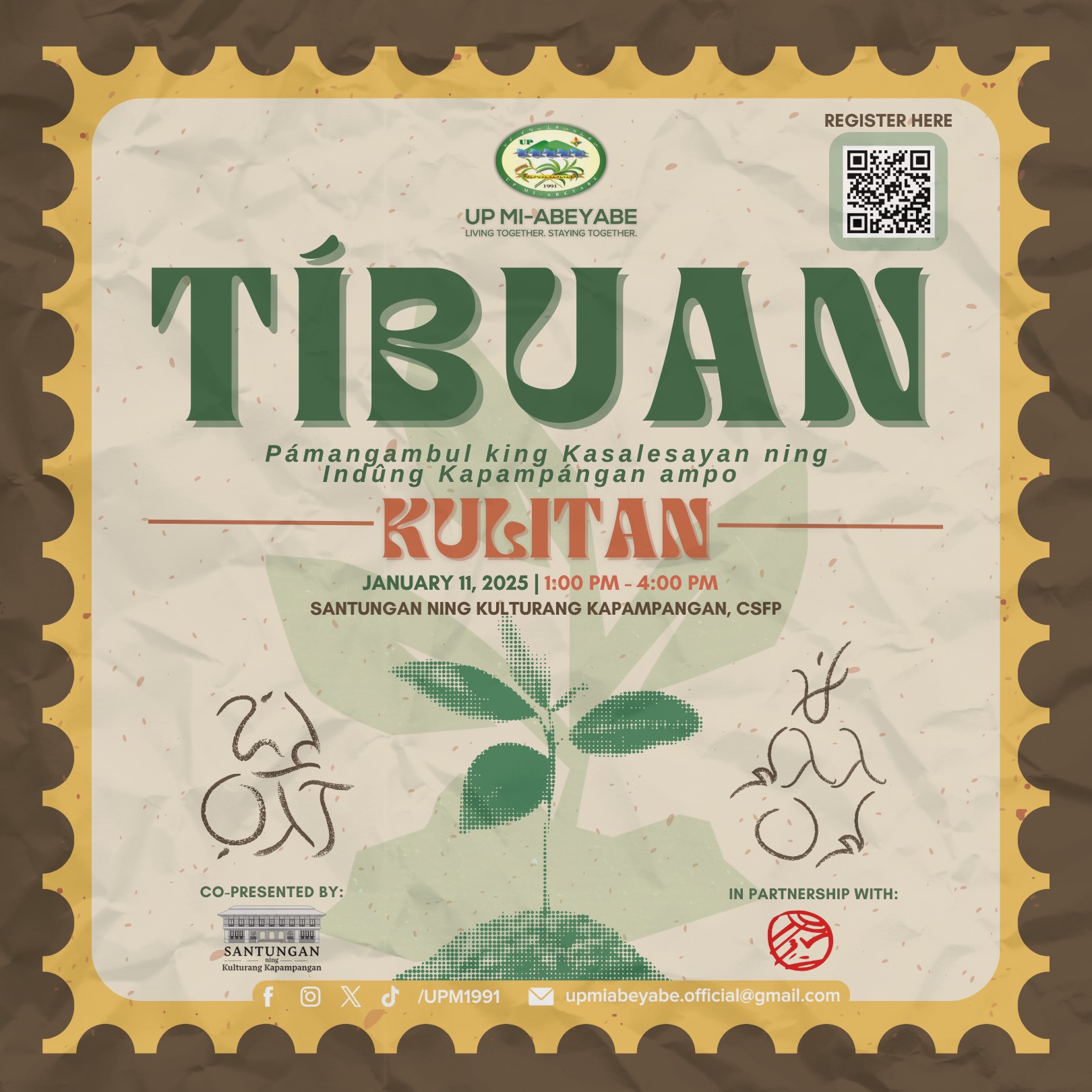
Photo Courtesy: UP MI-ABEYABE (Facebook)
Though often compared to Baybayin, the Tagalog script, Kulitan has its own rhythm and beauty.
Baybayin is written from left to right, while Kulitan is written vertically, from top to bottom, then from right to left. Its lines are bold and its shapes are firm, showing the strength and pride of the Kapampangan people.
While Baybayin became a symbol of national identity, Kulitan stands for the heart of Pampanga. It reminds us that the Philippines is made up of many voices and stories. Each script, each line, adds to the colorful song of our culture.
In Japan, children still learn Kanji and Hiragana as part of their daily life. They honor their writing as a way to stay close to their ancestors. We, too, should give the same love and respect to Kulitan. It is not only a way of writing but a way of remembering who we are.
Photo Courtesy: Roby Tantingco (Facebook)
When we write in Kulitan, we do not just form letters. We touch our history, our roots, and our pride as Kapampangans.
Keeping it alive means keeping our story alive. Just like Japan treasures their own script, we must also cherish ours so that the beauty of our culture continues to shine in every hand that writes it and in every heart that remembers it.
What started as a small movement in local corners now reaches far beyond Pampanga. Through phones, screens, and shared stories online, the once-forgotten script travels again, touching hearts across the Philippines and reminding everyone that our culture still lives, line by line.